Training 100 Future Pharmacists to Teach What Vaping Does to the Body
Training 100 Future Pharmacists to Teach What Vaping Does to the Body
The Module
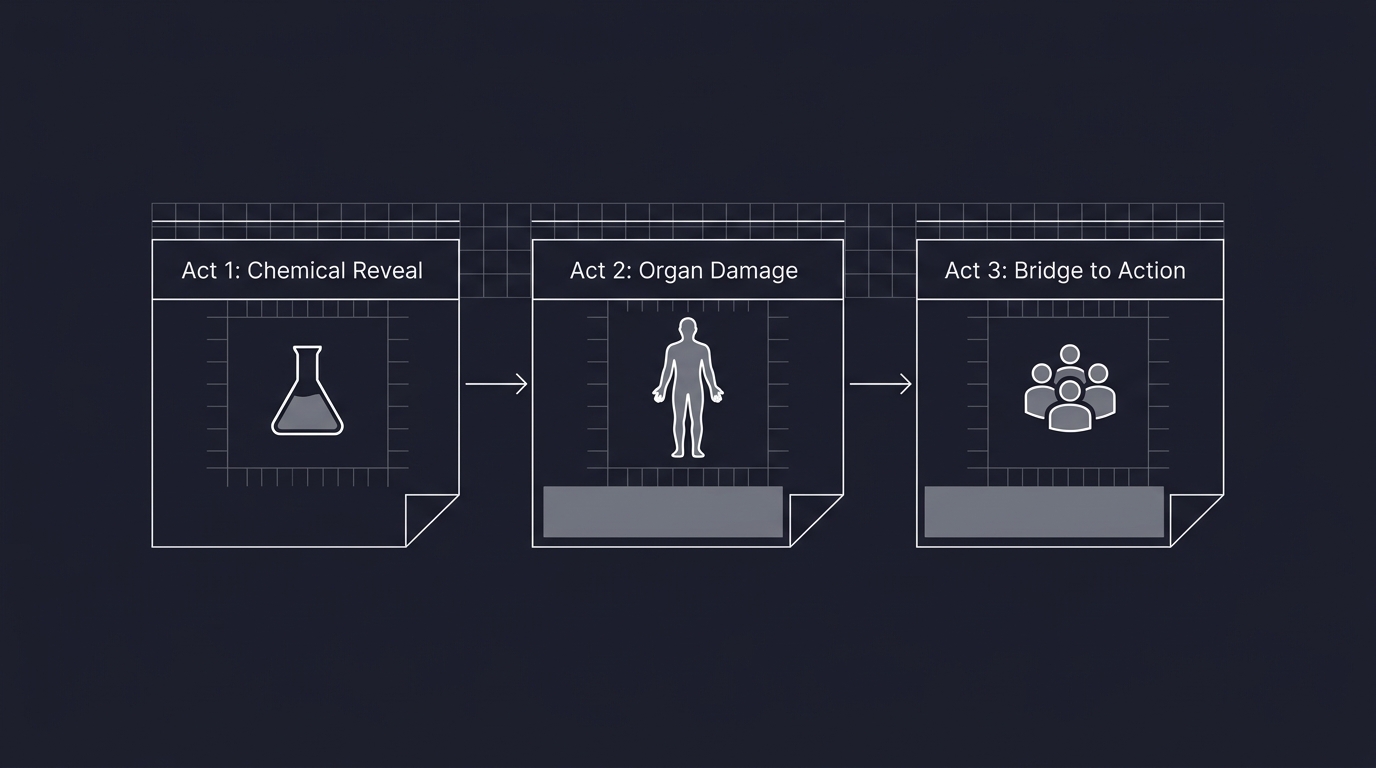
I designed and delivered a 30-to-40-minute clinical lecture module on the health effects of vaping, structured in three acts.
Act 1: Chemical reveal hook. Opening with the gap between what teens think is in vape liquid versus what is actually there. Nicotine, formaldehyde, acrolein, heavy metals, ultrafine particles. The dissonance between perception and reality is the engagement hook.
Act 2: Organ-by-organ damage walkthrough. Brain (adolescent prefrontal cortex vulnerability, nicotine addiction pathways), lungs (EVALI, popcorn lung/bronchiolitis obliterans, empyema), heart (cardiovascular inflammation, blood pressure effects), airways (chronic irritation). Clinical imagery including chest X-rays and empyema cases, calibrated for impact without gratuitous shock.
Act 3: Bridge to action. Transitioning from clinical knowledge to the participatory group activity. This is where the lecture hands off to the VIPP game and the pharmacy student facilitators take over.
The Dual-Audience Problem
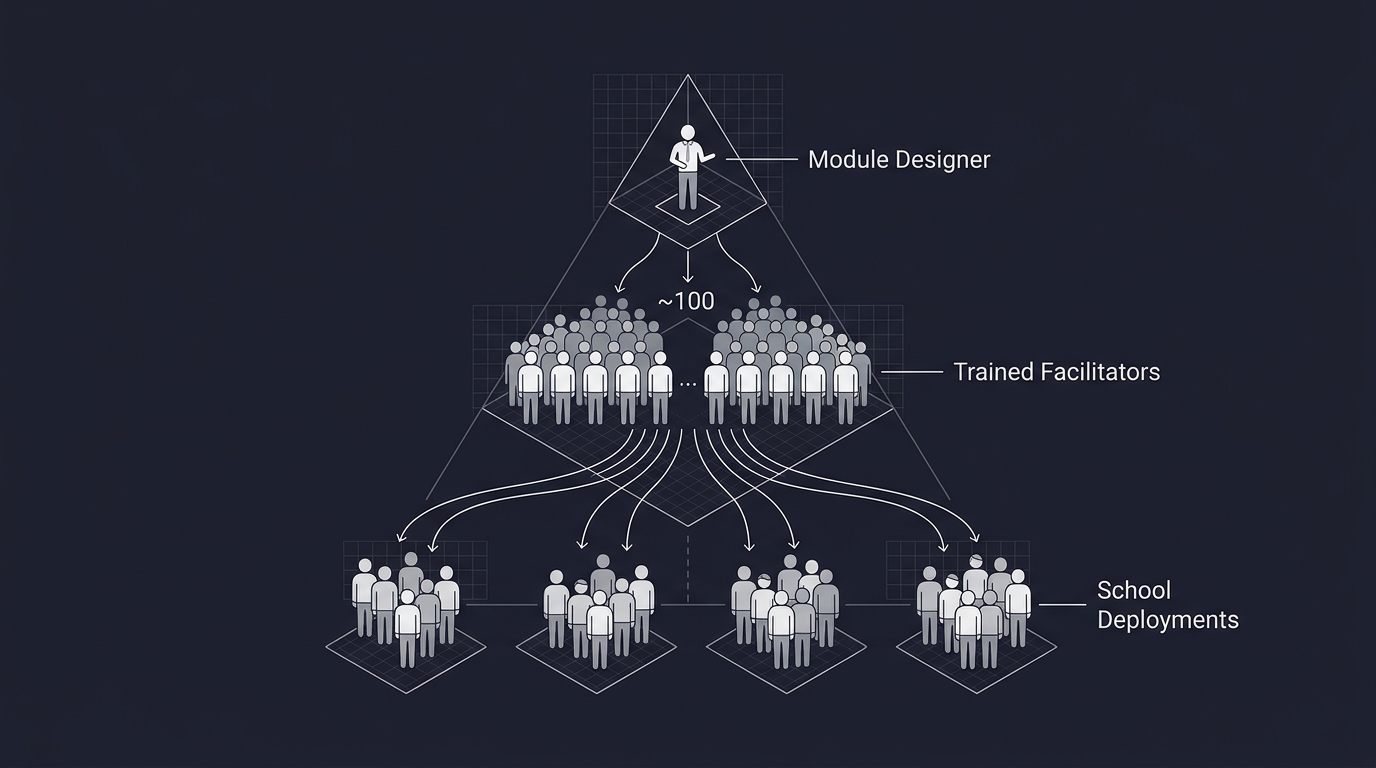
The module was designed to serve two audiences simultaneously. Pharmacy students needed to internalize the content deeply enough to facilitate downstream activities with confidence. Form 2 students needed to be engaged, not lectured at.
Solving this meant incorporating pop culture hooks (Grey's Anatomy clips for clinical scenarios), psychosocial dimensions (adolescent risk appraisal), and a public health framing that contextualised individual choices within systemic pressures.
Iteration
After the ToT session, I revised the module based on feedback. The key shift was toward a clinical-first approach: more empyema case imagery, more chest X-rays, more visceral clinical evidence. Industry and regulation content that overlapped with another team member's module was removed to sharpen the focus.
What This Demonstrates
Clinical content translation across expertise levels (expert-to-lay and expert-to-near-peer). Presentation design for dual audiences. The ability to iterate content based on field feedback rather than defending initial assumptions. Medical education that treats its audience as intelligent and capable of handling real clinical information.
Part of a case study cluster. See also: Scaling Anti-Vaping Education and Building an Interactive Game for Health Education.
* Images are conceptualized, not the real implementation to protect client's intellectual right