Scaling Anti-Vaping Education Across 255 Schools
Scaling Anti-Vaping Education Across 255 Schools
The Program
A statewide initiative targeting secondary school students with a four-module anti-vaping curriculum. The program combined expert-led clinical lectures with VIPP (Visualization in Participatory Planning) participatory activities, a well-established methodology in health education.
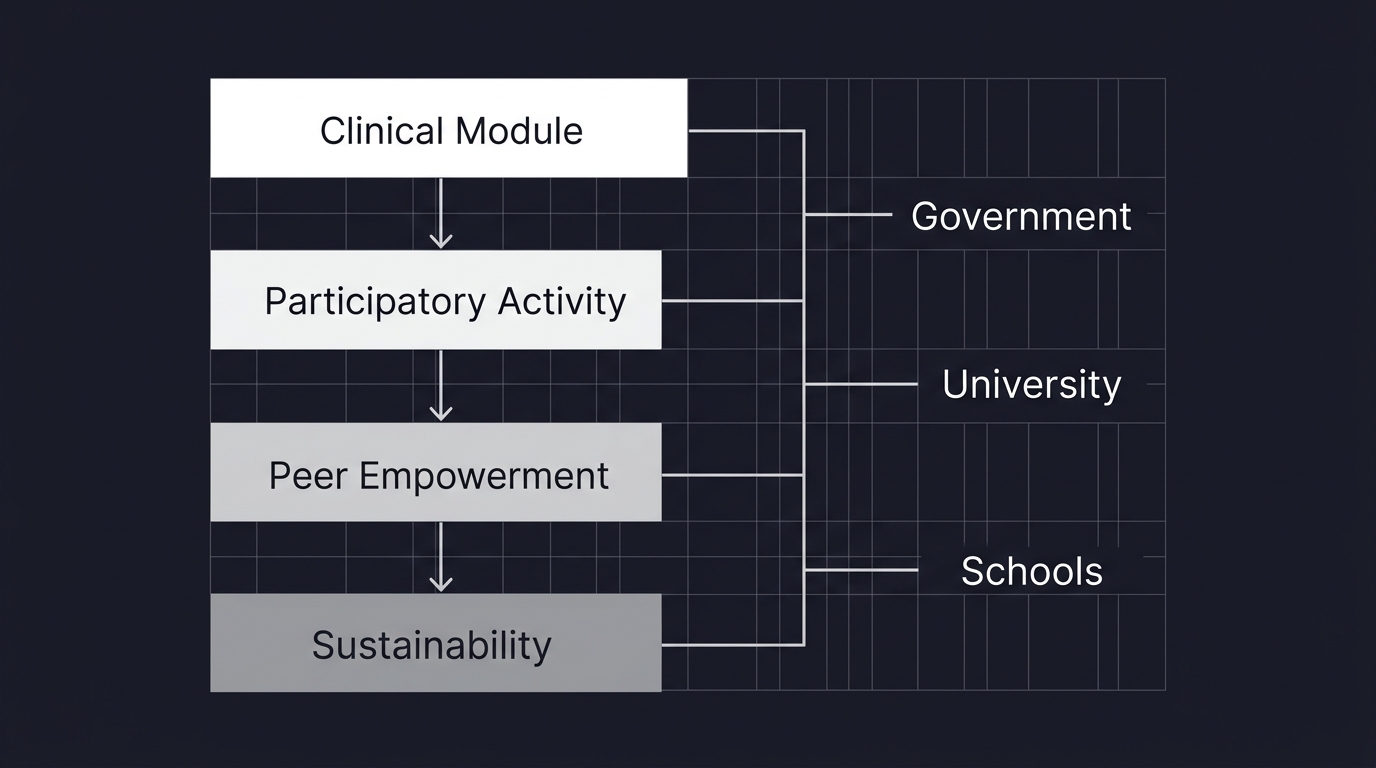
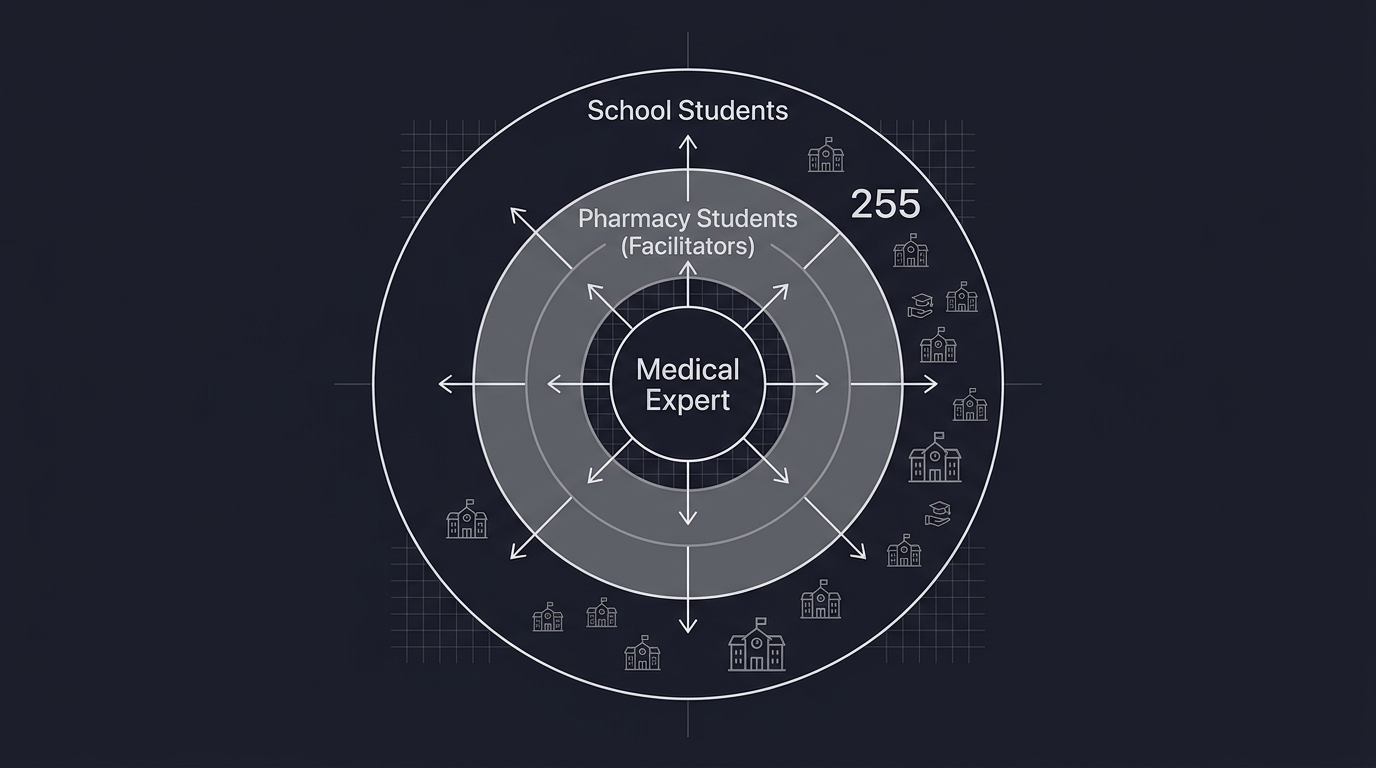
The design used a near-peer education model: university pharmacy students (closer in age to the audience) served as facilitators for group activities, while medical professionals delivered the clinical content. This bridged credibility with relatability.
Design Philosophy
Primary prevention: Knowledge fortification for non-users, grounded in clinical evidence rather than scare tactics.
Cessation support: Clinical and psychological pathways for current users, recognizing that some students in the room are already vaping and need guidance, not judgment.
Peer empowerment: Training student ambassadors as change agents in their own schools, creating a multiplier effect beyond the program day.
Sustainability mechanism: Students were tasked with conducting peer briefings at their schools and producing anti-vaping video content, extending the program's reach through student-generated outputs.
My Role
I was responsible for the clinical health module (Module 1: Vape Chemicals & Organ Damage). This included designing the content, delivering it at the Training of Trainers session, iterating based on field feedback, and contributing to overall program architecture and module sequencing decisions.
What This Demonstrates
Public health program design at scale. Grant-funded project execution. Stakeholder management across government health departments, university faculties, and school systems. Curriculum architecture that balances clinical rigor with age-appropriate engagement. Health communication strategy that respects its audience.
This is part of a three-entry case study. See also: Training 100 Future Pharmacists and Building an Interactive Game for Health Education.
* Images are conceptualized, not the real implementation to protect client's intellectual right